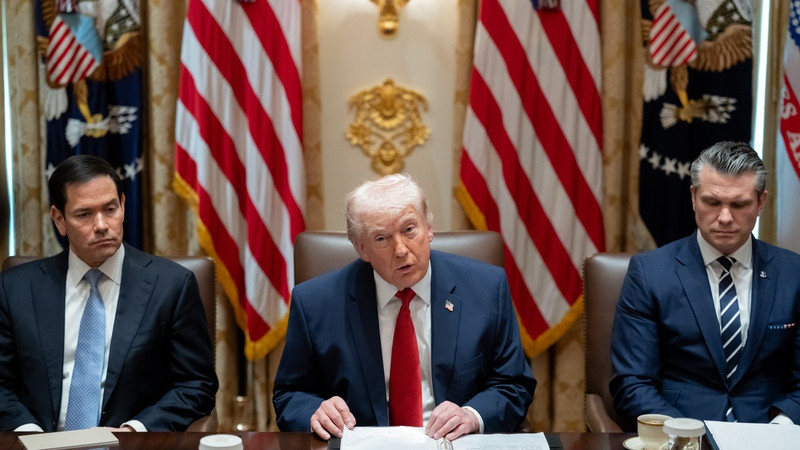
The midterm election results should be viewed not as a prophecy, but as a cautionary tale. The distinction between losing an election and losing the future is crucial for conservatives and civilizational populists to grasp. Comforting excuses are not an option, nor is succumbing to despair. The real question is whether Republicans understand the message voters are sending and if they possess the leadership necessary to win them back. The path to 2028 hinges on one uncomfortable truth: you cannot rebuild a winning coalition without listening to those who have left it.
- JD Vance boldly highlights the need to distinguish between voter turnout and genuine persuasion.
- The Iranian conflict emerges as a key factor in the Republican loss, according to Vance.
- The Republican Party's future may hinge on whether JD Vance or Marco Rubio can rebuild trust and coalition strength.
In a striking response on X, Vice President JD Vance tackled the core issue head-on. He emphasized the distinction between turnout and persuasion, noting that while many voters showed up, they did not vote for Republicans. This revelation challenges the Republican strategy of recent election cycles, which assumed that getting voters to the polls was synonymous with securing their votes. The election results shattered this assumption, proving that a coalition cannot thrive on assumed loyalty alone.
Vance's analysis acknowledges that while turnout numbers were not disastrous, the Florida electorate leaned nine points more Republican than Democratic. However, he shared a sobering insight: "Our people were showing up," yet many Trump/Vance 2024 voters were disillusioned and contemplating voting for the opposition. This stark realization underscores the fundamental difference between a seemingly favorable electorate on paper and an unfavorable result at the polls.
Vance laid the blame for the electoral defeat squarely on the Iran War, boldly asserting, "The reason we lost is the war." This candid assessment from the vice president highlights the impact of foreign policy on voter sentiment. A pollster's inquiry into what might win back disaffected Trump voters revealed four dominant desires: ending the war, addressing the cost of living, prioritizing America First, and reevaluating the relationship with Israel. Vance's recognition of these issues underscores the necessity for Republicans to realign their strategies with voter priorities.
In times of uncertainty, it’s essential to prepare for the unexpected. As we navigate the complexities of our political landscape, consider securing your safety and comfort. Grab your Emergency Sleeping Bag here. This lightweight, waterproof bag could be your lifeline when disaster strikes, helping you stay warm, dry, and alive.
The insight from pollster Rich Baris, who foresaw a Republican "bloodbath" due to issues like Iran and economic woes, resonates with Vance's conclusions. While some polling suggested near-total MAGA support for Trump’s Iran campaign, Baris's predictions proved more accurate. His response to Vance's tweet praised the vice president as the Right's best hope for rebuilding a coalition in 2028, dismissing any claims to the contrary as either ignorance or deceit.
Though Marco Rubio is being touted online, Baris argues that Vance's populist credentials are essential for rebuilding the coalition. Rubio lacks this critical element, making Vance the more viable candidate. Historically, midterm defeats have not permanently doomed governing parties. Leaders like FDR, Clinton, and Obama have bounced back from significant congressional losses, suggesting that Trump could maintain substantial influence through executive actions and foreign policy, despite ongoing investigations and challenges with judicial appointments.
The Democrats' victory may embolden them to pursue unpopular policies or excessive impeachment proceedings, potentially aiding Trump's resurgence before the next presidential election. However, the crux lies in economic growth and resolving the Iran conflict. These interconnected issues pose significant challenges for the Republican Party. Resolving them could dramatically enhance Republican prospects, while continued conflict and economic strife threaten to erode the coalition further.
The succession question looms large: will the Republican Party's future be shaped by JD Vance or Marco Rubio? Rich Baris believes Vance would be the frontrunner, but acknowledges that regaining the trust of working-class voters is crucial. Winning a primary and rebuilding a national majority are distinct challenges. The nomination cannot be treated as an inheritance. The next Republican leader must inspire disillusioned voters to believe again.
Foreign policy could be the dividing line. Rubio might appeal to conservatives seeking assertive international policies and reassurance about Israel, while Vance must address voter anger over perceived distractions from America First. A succession battle could deepen these divisions, threatening the coalition. Vance's insistence on addressing voter frustration with the Iran war offers a potential starting point for rebuilding trust. Simultaneously, he must reassure conservatives that restraint is not synonymous with weakness.
The ultimate question is not who can mimic Trump most effectively, but who can preserve the movement’s strengths, rectify its shortcomings, and convince Americans that their government truly prioritizes them.
© 2026 TurleyTalks.com. All rights reserved.
Gain the Clarity, Confidence, and Community you need to lead with courage and awaken a new conservative age. Join the movement to fight back and reclaim freedom at fight.turleytalks.com!
Turley Talks Coffee: Shop Bold Roast at https://turley.pub/TurleyTalksCoffee