
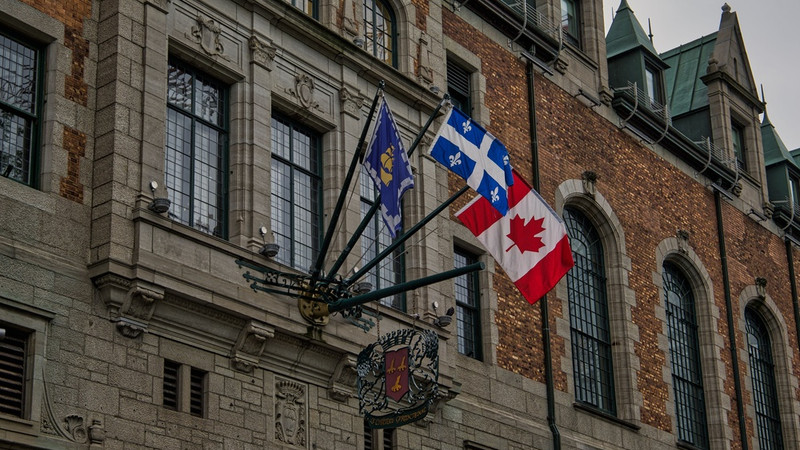
The Canadian political landscape is on the brink of a seismic shift, and Elon Musk just threw a massive wrench into the works. For years, the liberal Canadian establishment has dismissed separatism as a relic of the past. Yet, in a mere 48 hours, that narrative has crumbled. Quebec elected a new separatist government, Alberta is on the verge of a historic referendum, and now, Musk has dropped a political bombshell on Ottawa. What followed next reveals a fragile Canadian federation teetering on the edge.
- Elon Musk publicly supported Quebec, Alberta, and Saskatchewan separatism.
- Quebec's new government openly pursues independence, while Alberta prepares for a pivotal referendum.
- Musk's influence transforms regional grievances into a global conversation.
Feast your eyes on this: Elon Musk responded to a Polymarket post about Quebec's premier-designate, Paul St-Pierre Plamondon, who declared, "my dream of Québéc’s independence will be realized one day." Musk's response? "Good. Quebec should separate." He didn't stop there. One minute later, he added, "They would be better off. Alberta and Saskatchewan should separate too." This bombshell, coming from one of the world's most influential figures, fueled an already raging separatist fire in Canada.
If you're unaware, Quebec voters just returned the separatist Parti Québécois (PQ) to power for the first time since 2014. The PQ surged from a mere three seats in 2022 to 59, just five short of a majority in the 127-seat National Assembly. St-Pierre Plamondon has promised a third referendum on Quebec independence, declaring in his victory speech that the struggle of French-speaking Quebecers to protect their language and culture will succeed when they have their own country. This isn't vague rhetoric; it's a clear path toward independence.
Support for Quebec independence is surging, especially among the young, with 56% of 18-34 year-olds in favor—the highest since the narrow 1995 referendum. St-Pierre Plamondon is capitalizing on this enthusiasm, already seeking legal pathways to exclude Quebec’s lieutenant-governor from the legislature's opening. This bold move is part of a broader strategy to abolish the monarchy in Quebec, challenging Canada's constitutional monarchy where King Charles III remains the formal head of state. Analysts argue Quebec can't unilaterally abolish the monarchy, but politically, this clash provides the PQ with ample ammunition to argue for independence.
Musk's intervention is explosive because it links Quebec's nationalist left to Alberta's populist right. Quebec separatism focuses on language, culture, and identity, while Alberta's grievances center on energy policy and federal regulation. Both accuse Ottawa of overreach. Alberta isn't just talking; on October 19th, they will vote on whether to take the next constitutional step toward independence. This comes just weeks after Quebec elected its pro-sovereignty government. For the first time in modern history, separatist movements in Canada's East and West are advancing simultaneously.
The political landscape is shifting dramatically, and now is the time for you to take action as well. If you want to be part of the conversation and explore partnership opportunities, explore partnership opportunities today.
Prime Minister Carney's administration now faces a nightmare scenario. Musk doesn't need Canadian politicians to agree with him; his massive social media platform turns a provincial dispute into a global conversation instantly. Before Musk's post, Ottawa could dismiss Alberta and Quebec's independence movements as isolated grievances, citing skewed polls to back their claims. But with Musk's quarter of a billion followers engaging, millions are now questioning whether these provinces would be better off independent.
Quebec's narrow miss in the 90s referendum shows such sentiments linger and often grow. This isn't just about Canada; since the Soviet Union's fall in 1991, nearly 40 new countries have emerged. This reflects a global shift from a one-size-fits-all ideology to localized and national identities, as Sam Huntington predicted in his Clash of Civilizations. Every major secession movement follows a familiar pattern: a reignited localized identity, slighted by a federal 'other,' leading to unified resistance and ultimately, separation.
We've witnessed it with Brexit, Slovakia, the Donbass region, and now, perhaps, in Alberta and Quebec. Quebec has a separatist premier-designate, Alberta faces a pivotal vote, and Musk has amplified these rumblings into a political earthquake. He didn't hedge; he boldly asserted that Quebec, Alberta, and Saskatchewan "would be better off" outside Canada. While polls still favor unity, federations can fracture when grievances, opportunity, and a catalyzing moment align.
Ottawa can dismiss Musk, premiers can reject him, and legacy media can call it fringe. Yet, the debate over Canada's future is happening in elections, constitutional challenges, official referendums, and on the global stage. Elon Musk just said the quiet part out loud, and on October 19th, Alberta will have its say.
© 2026 TurleyTalks.com. All rights reserved.
Gain the Clarity, Confidence, and Community you need to lead with courage and awaken a new conservative age. Join the movement to fight back and reclaim freedom at fight.turleytalks.com!
