
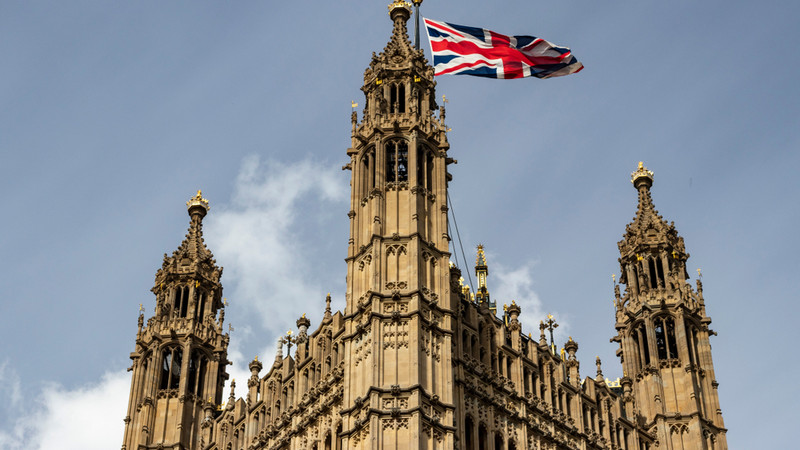
The United Kingdom is teetering on the brink of a seismic transformation, with a potential breakup looming larger than ever. A historic meeting in Cardiff has set the stage for what could be a monumental redefining of Britain's map. Nationalist leaders from Scotland, Wales, and Northern Ireland have joined hands, challenging Westminster's grip on the union. In a twist that no one predicted, the one leader who might save the UK could also be the one to unravel it. Is the United Kingdom truly on the verge of dissolution?
- Leaders from Scotland, Wales, and Northern Ireland signed the Cardiff Agreement, asserting their right to self-determination.
- The UK's devolved political system faces unprecedented pressure from nationalist parties pushing for independence.
- Rising nationalist sentiments, especially among younger generations, threaten the traditional unionist order.
Yesterday's meeting in Cardiff saw the leaders of Scotland, Wales, and Northern Ireland sign the Cardiff Agreement, a memorandum affirming their nations' right to chart their own futures. These leaders—John Swinney of the Scottish National Party, Rhun ap Iorwerth of Plaid Cymru, and Michelle O’Neill of Sinn Féin—have called on the British government to prepare for constitutional changes in their respective regions. They demand that Westminster refrain from interfering in potential referendums regarding Scotland's departure from the UK, Wales' independence, or Northern Ireland's reunification with the Republic of Ireland. This is no ordinary political maneuver; it represents a coordinated Celtic front demanding the democratic right to decide the union's fate.
While the Cardiff Agreement does not schedule any referendums, it politically unites the devolved nations in a way Britain has never before encountered. Since 1999, the UK has operated under a devolved parliamentary system, where Scotland, Wales, and Northern Ireland have autonomy over certain domestic matters, while Westminster retains authority over defense, foreign affairs, and constitutional policy. However, this is the first time all three devolved governments are led by nationalist parties seeking independence from the UK. Scotland, in particular, is a flashpoint.
Back in 2014, Scotland held an independence referendum, which resulted in a 55% vote to remain in the UK. This vote, however, occurred before Brexit—a decision that saw Scotland, which voted to stay in the EU, being pulled out against its will due to England's overwhelming Leave vote. The Scottish National Party (SNP) has since argued that Scotland was promised stability within the UK, only to have it shattered by Brexit. Today, polls show a deadlock with support for independence hovering around 50%. John Swinney insists that momentum is on their side, yet Westminster's legal grip remains firm. In 2022, the UK Supreme Court ruled that Scotland cannot hold an independence referendum without British government consent.
But the real political earthquake might be in Wales, where Plaid Cymru has ended a century of Labour dominance by securing the largest number of seats in the Welsh Parliament, the Senedd. This victory, combined with Nigel Farage’s Reform UK emerging as the second-largest party, has reshaped Welsh politics. Together, Plaid Cymru and Reform UK control 77 of the Senedd's 96 seats, marking a historic shift. While Welsh independence support is lower than Scotland's, it's notably higher among younger voters, indicating a growing generational identity.
Northern Ireland presents a different scenario altogether. According to the Northern Ireland Act and the Good Friday Agreement, a border poll must be called if a majority appears likely to vote for reunification with the Republic of Ireland. While current polls show only 36% in favor of a united Ireland, this is far from a fringe movement. The wildcard in this complicated landscape is Nigel Farage and his Reform UK party. Poised to become the next prime minister, Farage's unionist stance is clear: reject Scottish independence and focus on strengthening the UK economically. Yet, here lies the paradox—both unionists and separatists are driven by nationalist fervor.
As the UK faces these unprecedented challenges, it’s crucial to stay informed and engaged. For those who want to cut through the noise and get to the heart of the matter, **subscribe to Turley Clips now!** It's your daily shot of truth in 60 seconds or less. Don't miss out on the insights that matter!
The Cardiff Agreement has illuminated the ideological clash within the UK—a battle between unionist and separatist nationalism. The longstanding Labour-Conservative order is crumbling, and the future is uncertain. Will it be a renewed populist United Kingdom or four distinct nations charting their own courses? One thing is clear: Britain's political earthquake is only just beginning.
© 2026 TurleyTalks.com. All rights reserved.
Gain the Clarity, Confidence, and Community you need to lead with courage and awaken a new conservative age. Join the movement to fight back and reclaim freedom at fight.turleytalks.com!
