
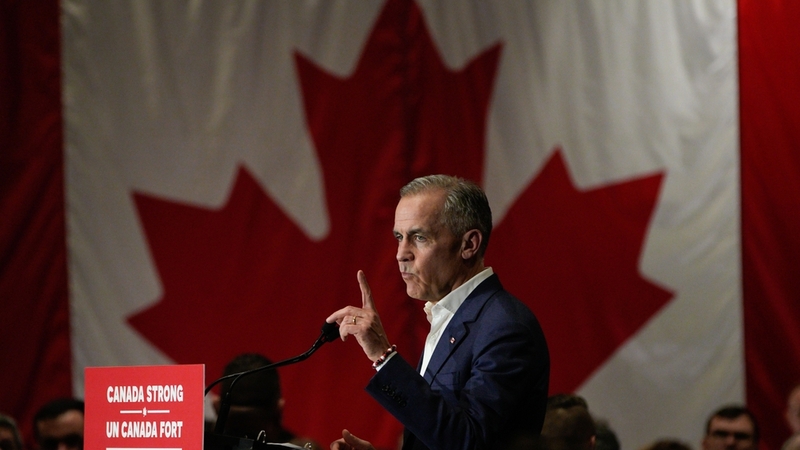
The potential for Alberta to secede from Canada has gained significant traction following the recent national election victory of the Liberal Party, led by Mark Carney. With calls for independence escalating, particularly among the province's conservative populace, a closer analysis reveals the dynamics at play. The outcome, shaped by strategic voting patterns from left-leaning factions, has left Albertans questioning their allegiance to a federal government they perceive as increasingly disconnected from their conservative values.
- Alberta, long known for its conservative leanings, shows a noticeable shift towards potential secession after a series of national elections favoring the Liberal Party.
- Polls indicate that around 30% of Alberta's population supports independence, raising alarms about the province's future relationship with Canada.
- Alberta's robust economy, fueled by its rich natural resources, positions it as a prime candidate for independence and possibly joining the United States, should momentum build among its residents.
The recent performance of the Liberal Party—secured thanks to an overwhelming number of left-wing voters abandoning their traditional third-party support—stands in stark contrast to the long-standing conservative foundation of Alberta. Despite the Conservative Party's steady voter base, the progressives' coalition tactics have effectively boxed them out of power.
Visualizing the political map, Alberta shines brightly in blue, a stark contrast to the predominantly red regions across Canada. This has prompted many residents to reconsider their future, particularly as liberal policies increasingly encroach upon conservative values, coupled with the radical leftist tilt of Canada's eastern provinces. The outrage among Albertans is palpable, as they perceive a growing disconnect fueled by liberal immigration policies threatening their cultural fabric.
Public sentiment is corroborated by promising developments, including a new Angus Reid poll indicating that nearly 30% of the Alberta population is contemplating secession in response to the Liberal victory. This sentiment is gaining momentum, as a coalition—the Alberta Prosperity Project—has successfully amassed over 100,000 signatures supporting a referendum for independence. Such numbers represent a significant indication of potential political shift, supported by tipping point theory, which suggests that a mere 20-25% adherence to a cause can catalyze larger population migration towards that sentiment.
The notion of Alberta becoming the 51st state—a concept that echoes the sentiments of daring American expansion—isn't merely wishful thinking. Alberta stands as a titan among Canadian provinces, with its status as the largest producer of crude oil and natural gas in the country underscoring its economic clout. With vast resources and a reputation for relatively low personal taxes, Alberta represents a potential powerhouse if allied with the United States.
As Canada grapples with the implications of its electoral choices, Alberta's journey towards independence is one to watch closely. Throughout this turmoil in national identity, Alberta's population increasingly resonates with skepticism about its future within Canada—a path that could lead toward secession and an eventual reintegration into a broader North American identity. The energy, resilience, and fervor for traditional values among Albertans may very well redefine political allegiances in the years to come.
Copyright, 2025. TurleyTalks.com
Our new Turley Talks app is our very own platform that can never, ever be canceled! This app is our way to declare our independence from all woke platforms that hate conservatives and have tried to cancel and demonetize Dr. Steve. You can download it completely free today by going to fight.turleytalks.com!
