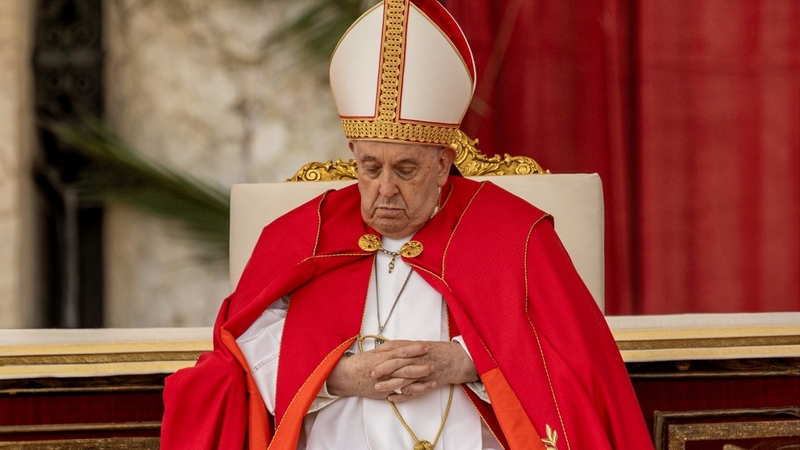
The death of Pope Francis initiates an intricate web of ceremonies and rituals within the Roman Catholic Church, leading to the selection of a new leader for the world's 1.4 billion Catholics. What unfolds during these solemn moments reflects not just a transition of power but a historical sequence steeped in tradition. Here is a closer look at the protocols following the pope's death and the intriguing dynamics surrounding the next papacy.
- The death of a pope triggers specific, time-honored rituals and a nine-day mourning period, marking a transition to a new leadership.
- The sede vacante period allows for discussions among the College of Cardinals who prepare for the upcoming conclave, where a new pope will be elected.
- Cardinal Robert Sarah emerges as a key conservative candidate, embodying a significant theological shift that contrasts with Pope Francis's globalist ideals.
The first critical act post-death is the formal confirmation by the Camerlengo, who is tasked with ensuring the dignified management of papal affairs. Following the pronouncement of death by a doctor, the Camerlengo solemnly calls the late pope's baptismal name three times. If there is no response, the pope is officially declared dead, and the papal apartments are sealed. The Fisherman’s Ring, a potent symbol of papal authority, is destroyed as the Vatican flags are lowered, signaling the end of a pontificate.
A nine-day mourning period, or no-VEN-diel, ensues, during which the pope's body lies in state at St. Peter's Basilica, allowing the faithful to pay their respects. The funeral typically follows four to six days later, marked by the presence of global leaders, religious figures, and mourners, as Pope Francis's wishes for a simpler ceremony with a wooden coffin become evident.
This transitional period is known as sede vacante—"the seat is vacant"—where the College of Cardinals oversees daily church operations but cannot make significant decisions. During this time, cardinals convene to discuss prospects for the papacy, ultimately culminating in the conclave to elect a new pope. This conclave occurs approximately 15 to 20 days post-death and involves cardinals under the age of 80 casting secret ballots within the Sistine Chapel. The election is signaled by smoke from burning ballots: black for no decision, white for the announcement of a new pope.
As speculation on potential papal candidates unfolds, Cardinal Robert Sarah stands out among conservative favorites. With a strong stance for the church as a guardian of Western civilization, he presents a stark contrast to the globalist ethos championed by Pope Francis. Cardinal Sarah's concerns about the Western world’s cultural integrity resonate deeply in today's geopolitics, accessing a broader civilizational discourse [as noted by analysts.
Though the conclave remains unpredictable with a diverse range of appointees, it is a moment ripe with historical significance as the Catholic Church faces the challenges posed by modernization and a shifting global landscape. As the world bids farewell to Pope Francis, anticipation mounts for a new era in the Catholic papacy, a waiting game underscored by the dynamics of faith and culture at this pivotal juncture.
Copyright, 2025. TurleyTalks.com
Our new Turley Talks app is our very own platform that can never, ever be canceled! This app is our way to declare our independence from all woke platforms that hate conservatives and have tried to cancel and demonetize Dr. Steve. You can download it completely free today by going to fight.turleytalks.com!