
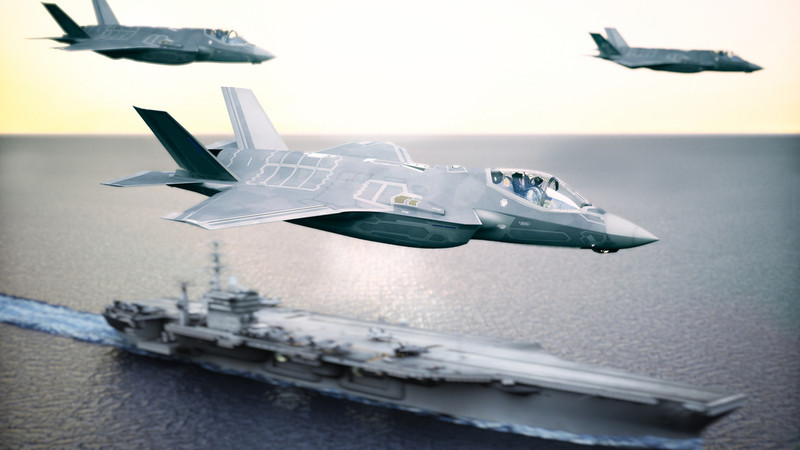
For eleven relentless nights, the U.S. military has unleashed a torrent of airstrikes against Iran's coastal strongholds, demonstrating a formidable show of force. A naval blockade now strangles Iran's oil revenue, and the nation's economy teeters on the brink of collapse. President Trump, undeterred, has issued a bold warning to target Iran's seemingly impregnable granite fortress buried deep beneath a mountain.
- U.S. Central Command has launched a series of devastating attacks on Iran's coastal infrastructure, crippling its military capabilities.
- A U.S.-enforced naval blockade cuts Iran off from half a billion dollars in daily oil revenue, weakening its economic power.
- President Trump is disrupting Iran’s regional influence, with strategic realignments across the Middle East.
In the past 24 hours, U.S. forces have decimated Iran's coastal command centers, missile launch sites, and air defenses, pushing back Iran's power projection mile by mile. Explosions have rocked key sites in Sirik, Bandar Abbas, and Qeshm Island, vital chokepoints along the Strait of Hormuz. This aggressive strategy follows earlier precision strikes on Greater Tunb Island, targeting Iranian military assets. The U.S. Navy's deployment of Saronic Corsair unmanned surface vessels marked a historic first, striking a crucial submarine facility at Bandar Abbas.
The focal point now is Iran's Pickaxe Mountain, a site fortified deep within granite and believed to house advanced centrifuges. This facility, buried far deeper than any before, poses a unique challenge. The Pentagon weighs its options: deploying multiple bunker-buster bombs, sending in commandos, or considering the use of more drastic measures. Simultaneously, the U.S.-led naval blockade continues to drain Iran economically, slashing their oil revenue and diverting profits to American interests.
Iran's economy is on the verge of collapse. The Iranian rial has plummeted, inflation soars, and even Iranian officials admit the economy is unraveling. Meanwhile, Trump is strategically dismantling Iran's regional network. Lebanon's president, visiting the White House for the first time in fifteen years, signals potential alignment with U.S. interests, possibly joining the Abraham Accords. In Iraq, new deals bypass the Strait of Hormuz, drawing Iraq and Syria closer to the U.S. orbit while sidelining Tehran.
This strategy, likened to 4D Chess, is methodically realigning global power dynamics around American interests. As the Iranian regime struggles internally, Trump's multi-faceted approach combines military might, economic sanctions, and diplomatic isolation to systematically dismantle Iran's influence. As Ida Turan articulates, Trump's moves are neither isolated nor impulsive but part of a comprehensive plan that gradually erodes Iran's strategic advantages.
Understanding Trump's strategy requires recognizing the regime's ideological nature, addressing domestic narratives, and countering foreign lifelines from China and Russia. The strategy leverages Iran's internal power struggles and weakens its regional proxies, steadily dismantling its influence. The conclusion is clear: strategic patience and layered pressure across multiple dimensions represent the true long-term strategy needed to confront a regime like Iran’s, despite the lack of a single, decisive blow. This multifaceted campaign is undeniable, and its impact is visibly cracking the regime under its weight.
In the midst of this crucial moment for our nation, it’s important to stand strong and support the movement that aligns with our values. Get yours today: https://shop.turleytalks.com/.
© 2025 TurleyTalks.com. All rights reserved.
Gain the Clarity, Confidence, and Community you need to lead with courage and awaken a new conservative age. Join the movement to fight back and reclaim freedom at fight.turleytalks.com!
