The bombs over Iran have fallen silent after thirteen consecutive nights, but don't be fooled—this silence is far more terrifying for the regime than the air raids. Behind closed doors, something is stirring in the mountains of western Iran, a development that Iran's generals have spent decades trying to stave off. While diplomatic "space" has mysteriously opened between Washington and Tehran, President Trump has made a bold move on Truth Social, hinting at what might come if talks fail. Meanwhile, an unexpected player has joined the fray against Iran, opening a new front thousands of miles from the Persian Gulf. The complexities of this situation are unfolding rapidly.
- After thirteen nights of relentless US strikes on Iran, a sudden pause has put the regime on edge.
- Trump’s provocative posts signal strategic plans, while Ukraine opens a new front against Iran.
- Kurdish fighters in Iran are seizing the moment, challenging the regime's control from within.
Since the collapse of the June 17th Islamabad memorandum, the United States launched a series of strikes on Iran, targeting command centers, missile and drone storage, and reinstating a naval blockade on Iranian ports. President Trump had deliberated over an even more significant operation, something he described as potentially "bigger than ever before," consulting with cabinet officials and repositioning Pentagon assets in the region. However, by Friday evening, he decided against further strikes over the weekend, marking the first pause in this two-week barrage. US Ambassador to the UN Mike Waltz stated that Trump is "keeping all options on the table," as internal divisions plague Iranian officials, with some seeking guidance from the Supreme Leader while others push in different directions. This internal paralysis has been evident since the initial strike on February 28th, which killed Ayatollah Khamenei and the senior leadership of the IRGC. The regime has been fractured ever since, with factions vying for dominance. Iran's military spokesman confirmed a halt in retaliatory strikes, the first since the ceasefire broke down. This pause mirrors the previous ceasefire's objectives: stabilize oil markets, reduce pump prices, and restock munitions in the Gulf. This deliberate calm precedes a storm, as US troop levels in the Middle East surge to over 50,000, the largest buildup since the Iraq War. The amphibious assault ship USS Tripoli has deployed additional Marines and F-35s.
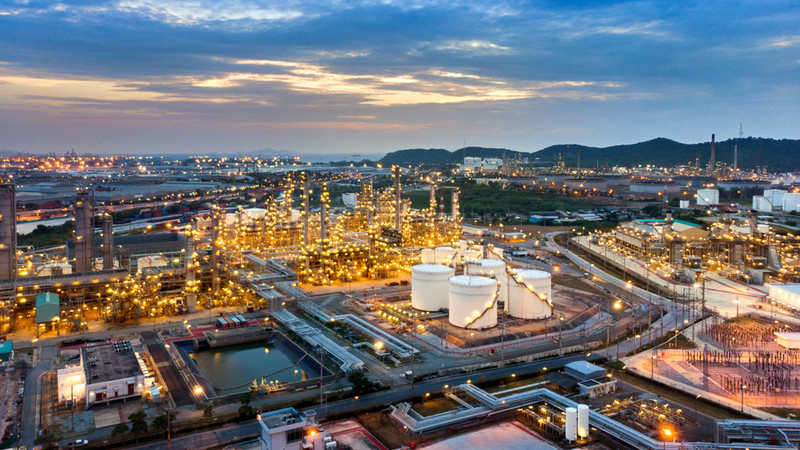
And then there's Trump's bold move on Truth Social. With talks supposedly gaining breathing room, he posted AI-generated images depicting US fighter jets bombing Kharg Island, Iran's main oil export hub, captioned "STRIKE ON KHARG." Another image shows Trump standing triumphantly on an Iranian tanker, raising the American flag with the caption "That's our oil tanker now!" This isn't mere trolling—it's psychological warfare. Trump is signaling his next move: if talks fail, Kharg Island becomes the target. Each time Iran defends or replaces lost capabilities at Kharg, it bleeds resources. This strategy, forcing Iran to defend its economic lifeline, is unsustainable in the long run.
As if things couldn't worsen for Iran, Ukraine has entered the fray. Ukrainian forces executed long-range drone strikes in the Caspian Sea, targeting vessels allegedly ferrying military cargo between Iran and Russia. President Zelensky confirmed strikes on oil platforms and ships carrying missile components. Iran's Foreign Ministry is furious, but their threats against Kyiv are empty bluster. The isolation of Iran becomes starker, with Gulf countries, China, and now Ukraine distancing themselves.
Inside Iran, the situation is even more precarious. The Kurds, one of Iran's largest ethnic minorities, have risen. Concentrated in the western provinces, they've been under military suppression for decades. The tension erupted in 2025 with nationwide protests. By January, Kurdish parties united, forming the Coalition of Political Forces of Iranian Kurdistan with a clear goal: topple the regime. The CIA reportedly armed Kurdish forces, fostering an uprising, with the Trump administration in direct talks with Kurdish leaders in Iraq. By March, Kurdish forces, aided by Israeli and US forces, had attacked sites in Sanandaj and other cities, forcing IRGC units to evacuate to civilian buildings for cover. This isn't merely a border skirmish—it's a shift. While the IRGC manages US airstrikes in the south, a naval blockade in the Gulf, Ukrainian strikes in the Caspian, and unrest in Tehran, they lack the manpower to crush the Kurdish uprising. The continued Kurdish resistance, backed by American intelligence, strains Tehran as it grapples with economic chaos and a freefalling rial. Iran's inability to control its western provinces shatters the myth of revolutionary invincibility, a myth that once broken, spreads beyond Kurdistan to Tehran, Isfahan, and Mashhad.
Here's the bottom line: this isn't a pause signaling an end to the war. It's a final chance for Tehran to capitulate before Kharg Island becomes more than an image. Meanwhile, Ukraine is disrupting Iran's supply lines, and Kurdish fighters continue to challenge the regime. Every front Iran has is stretched thin, and a regime fighting on four fronts faces inevitable collapse.
In light of these developments, it’s crucial to stay informed and empowered. Remember my fiery clips that went viral? Well, they’ve returned! It’s called Turley Clips—and it’s your daily shot of truth in 60 seconds or less. This is different from my main channel, where we dive deep into analysis. Turley Clips is built for speed—for the moments you need the truth NOW. 👉 Subscribe to Turley Clips now!
© 2025 TurleyTalks.com. All rights reserved.
Gain the Clarity, Confidence, and Community you need to lead with courage and awaken a new conservative age. Join the movement to fight back and reclaim freedom at fight.turleytalks.com!