

A recent court ruling has sent shockwaves through the legal landscape surrounding birthright citizenship in the United States. In an unexpected twist, one of the most liberal courts has handed the Trump administration a potential victory in its quest to redefine the 14th Amendment. This decision could change the way citizenship is conferred, leaving liberals in a state of panic.
- The 9th Circuit Court of Appeals, known for its liberal leanings, ruled that Roberto Moncada, born to a Nicaraguan diplomat, was not a U.S. citizen at birth.
- The ruling underscores the importance of being "subject to the jurisdiction" of the U.S. under the 14th Amendment, challenging the notion of automatic citizenship by mere birth on U.S. soil.
- This decision could pave the way for major immigration reform and align with President Trump's efforts to end birthright citizenship for children of illegal immigrants.
Roberto Moncada, born in New York City in July 1950, believed himself to be an American citizen for nearly seventy years. His father, a Nicaraguan national, worked for Nicaragua's mission to the United Nations. Over the decades, Moncada received five U.S. passports without question. However, in 2018, when renewing his passport, officials discovered that his father was an attaché, not a consul, granting him full diplomatic immunity.
This revelation meant Moncada was not subject to U.S. jurisdiction at birth, as attachés, unlike consuls, are not under U.S. political jurisdiction. Overnight, Moncada went from citizen to foreign national. He took his case to court, landing in the 9th Circuit Court of Appeals, often dubbed the "9th Circus" for its liberal reputation. Shockingly, the court ruled Moncada was not born a citizen due to his father's diplomatic status.
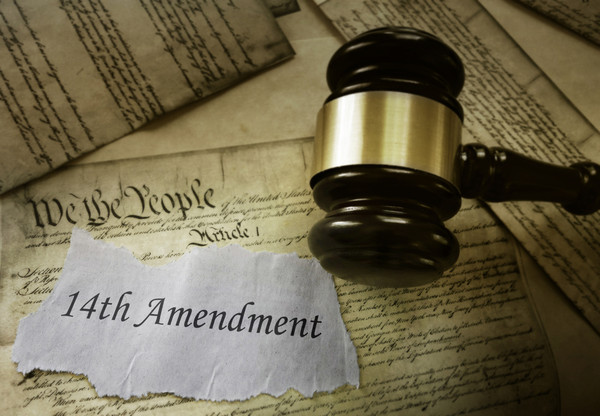
The 14th Amendment states that "[a]ll persons born or naturalized in the United States and subject to the jurisdiction thereof" are citizens. The key phrase, "subject to the jurisdiction," is often overlooked. It means that being born on U.S. soil is not enough; one must also be under U.S. jurisdiction. Children of foreign diplomats, enemy soldiers, and others with immunity do not receive birthright citizenship even if born in America. The 9th Circuit's ruling reinforces this, challenging the "birthright citizenship for everyone" narrative.
The concept of birthright citizenship, popularized by Supreme Court Justice William Brennan's 1982 footnote, lacks strong constitutional grounding. Trump's administration seeks to restore the original intent of the 14th Amendment, focusing on political allegiance rather than mere birth location. Legal scholars have noted that "subject to the jurisdiction" refers to political allegiance, distinguishing territorial from political jurisdiction.
The 9th Circuit's decision affirms that political jurisdiction is essential for birthright citizenship, excluding children of diplomats and potentially those of illegal immigrants. This ruling could exclude millions from automatic citizenship, aligning with Trump's immigration reform goals. The irony is that the most liberal court may have set the stage for significant immigration reform.
Historically, the 14th Amendment's framers intended to exclude certain groups from citizenship, and the current legal landscape remains unresolved regarding children of illegal immigrants. The United States is one of the few countries still granting birthright citizenship, while most developed nations have moved to more restrictive policies.
The Moncada case is likely headed to the Supreme Court, where a conservative majority could further clarify the "subject to jurisdiction" requirement. This could coincide with challenges to Trump's executive order, creating a potential turning point for birthright citizenship reform. Legal analysts suggest this ruling provides a strategy to interpret existing constitutional text without needing a constitutional amendment.
In summary, this court decision could redefine citizenship in America, challenging long-held assumptions about who is entitled to birthright citizenship. As the legal battles unfold, the implications for immigration policy are profound, signaling a shift in how the 14th Amendment is understood and applied.
Now, if you want to be part of the conversation and lead the charge for America's future, join Dr. Steve Turley LIVE for the America Awakened Masterclass. One night. Real strategy. Just $79 with the Freedom Offer. Don’t miss out—reserve your seat now and be at the forefront of this vital discussion!
© 2025 TurleyTalks.com. All rights reserved.
Gain the Clarity, Confidence, and Community you need to lead with courage and awaken a new conservative age. Join the movement to fight back and reclaim freedom at fight.turleytalks.com!
