
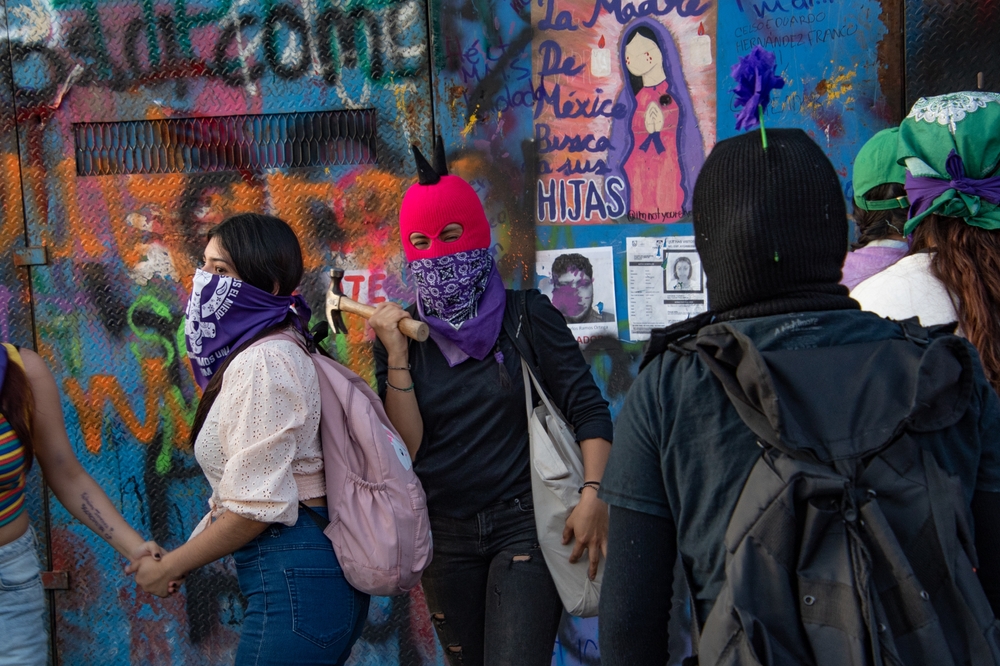
Something extraordinary is unfolding in Mexico. Tens of thousands of Gen Zers are flooding the streets, demanding that their left-wing government heed President Trump's call to dismantle the drug cartels ravaging their nation. These breathtaking scenes reveal a massive protest on November 15th, led by Gen Z activists in Mexico City. Their target? Not the United States or some globalist entity, but their own government's failure to curb the rampant influence of drug cartels, which have claimed over a hundred thousand Mexican lives since 2019.
- Gen Z protesters in Mexico demand their government adopt Trump's anti-cartel policies.
- Trump's military strategies against cartels gain support from both Mexican citizens and officials.
- Cartels operate as parallel governments, wielding power over Mexico's society and economy.
The catalyst for this uprising was the brutal assassination of Mayor Carlos Manzo Rodriguez, who was shot seven times while holding his young son at a Day of the Dead ceremony. Rodriguez, a staunch critic of cartels extorting avocado farmers, became a martyr for the cause. His murder was a turning point for many Mexicans, who declared, "Enough is enough." The Mexican Bishops' Conference echoed this sentiment, condemning the "ordinary presence of armed groups" and urging a resolute battle against the roots of such violence—namely, the cartels' pervasive control over society.
Amidst this turmoil, President Trump is delivering exactly what Mexican citizens are begging for. Just yesterday, in the Oval Office, Trump discussed launching military strikes inside Mexico to dismantle cartel drug labs and leadership. Mexican President Claudia Sheinbaum, enjoying a high approval rating largely due to her cooperation with Trump's crackdown, reflects public sentiment. A staggering 68% of Mexicans support extraditing cartel leaders to the United States. In August alone, Mexico extradited 26 high-ranking cartel members, including those from the Jalisco New Generation Cartel and the Sinaloa Cartel.
The Trump administration's designation of multiple cartels as Foreign Terrorist Organizations, including Sinaloa, Tren de Aragua, Carteles Unidos, and Los Viagras, allows the U.S. military to target their assets and finances. This move resonates with the majority of Mexicans, although you won't hear about it from CNN or other legacy media outlets. While these outlets remain perplexed, U.S. officials report a 50% reduction in fentanyl seizures compared to last year. Trump's border policies and Sheinbaum's troop deployments against the Sinaloa Cartel have significantly disrupted cross-border drug trafficking. Consequently, homicides in Mexico have decreased by 24% in the first nine months of Sheinbaum's administration, with over 32,000 criminal suspects arrested and more than 245 tons of drugs seized.
Nevertheless, the assassination of Mayor Rodriguez remains a stark reminder of the cartels' entrenched power over Mexican society. These drug cartels have effectively become a parallel government, wielding influence that sometimes surpasses official state institutions. This phenomenon isn't unique to Mexico; it's widespread across Latin America. I recall visiting Sao Paulo in 2018, where my guide pointed to a massive apartment complex under construction, explaining that it was public housing built by drug lords. These cartels buy public loyalty by providing the housing and services that corrupt governments fail to deliver.
With billions at their disposal, drug cartels create parallel societies, often as powerful as civic governments. "El Mayo" Zambada, co-founder of the Sinaloa Cartel, admitted to bribing Mexican generals, governors, and entire police forces to facilitate drug trafficking. Consequently, the Trump administration revoked visas for over 50 Mexican politicians suspected of cartel ties, exposing the deep infiltration of organized crime within the Mexican government. Beyond drugs, cartels control entire economic sectors, extorting farmers, logging forests, and dictating supply chains, thus establishing a parallel government that rivals Mexico's civic institutions. This cartel-driven violence costs Mexico's economy billions annually, an estimated 18% of its GDP.
In response, Trump has authorized drone surveillance over cartel hotspots, sharing intelligence with Mexican security forces. The Treasury Department has sanctioned violent cartels like Carteles Unidos, combating their brutal tactics. With border closures and the destruction of cartel boats in the Caribbean, Trump's administration is actively disrupting drug transport. Now, Trump is even considering U.S. military strikes inside Mexico, a prospect gaining traction among Mexican citizens.
Until then, Mexican citizens will continue rising up, demanding action against these cartels. One thing is certain: in this tide of civil unrest, Trump isn't the problem. He's the solution Mexicans have been praying for.
As the situation unfolds, it's crucial to stay informed and aware of the truth behind these events. For your daily shot of truth in 60 seconds or less, subscribe to Turley Clips now!
© 2025 TurleyTalks.com. All rights reserved.
Gain the Clarity, Confidence, and Community you need to lead with courage and awaken a new conservative age. Join the movement to fight back and reclaim freedom at fight.turleytalks.com!
