
Iran's bold strategy to weather U.S. pressure seemed foolproof: close the Strait of Hormuz, wait for a Democrat to lift sanctions, and resume their nuclear ambitions. But in a stunning turn of events, President Trump is about to upend their plans in a way Iran never anticipated.
- The Strait of Hormuz's closure has triggered a global energy crisis, escalating tensions.
- China's unexpected alignment with the U.S. against Iran has left Tehran isolated.
- Trump's strategic timing with the midterms approaching could reshape the Middle East landscape.
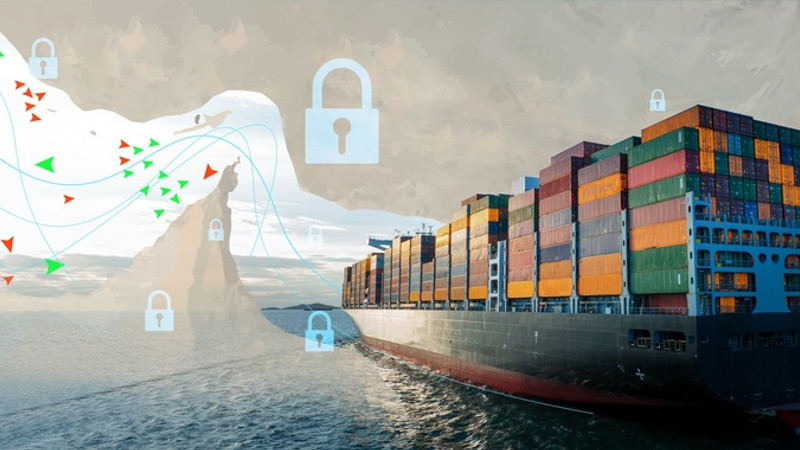
Since late February, the Strait of Hormuz has been effectively closed following American and Israeli strikes that decapitated Iran's leadership. This blockade, executed by the IRGC, has choked off 20% of the world's seaborne oil, sparking a historic supply disruption. Gas prices have surged by over a dollar per gallon, and Brent crude neared $95 a barrel. Meanwhile, airlines hiked baggage fees due to a 95% spike in jet fuel costs across North America. The Pentagon pegged the conflict's cost at $29 billion—a relative bargain compared to past Middle East engagements. For just $29 billion, the U.S. has managed to dismantle a hostile regime and keep China from controlling Hormuz, a strategic win when weighed against the trillion-dollar costs of Iraq and Afghanistan.
Iran's regime, though battered, has not yet collapsed. Under the guise of a ceasefire, the IRGC continues to conduct military drills in the Strait. Their tactics involve drones, fast boats, anti-ship missiles, and sea mines, making the Strait perilous and legally untenable for commercial shipping. Iran’s strategy isn't to defeat the U.S. Navy directly; they aim to render the Strait so hazardous and costly that shipping companies avoid it outright. While U.S. forces could easily dismantle Iran's military equipment, they face a minefield and the risk of escalating the conflict, which could shatter the ceasefire and provoke Hezbollah. The remaining IRGC naval force paradoxically serves as a diplomatic asset, allowing for a negotiated resolution that saves face for Iran while reopening the Strait.
However, Iran's hopes now rest on increasingly shaky ground. Their survival strategy relied on support from Russia and China. Yet, by closing the Strait, Iran inadvertently jeopardized China's energy security. Nearly half of China's oil imports pass through Hormuz, and with the blockade, Beijing's reserves are depleting fast. In a dramatic twist, President Trump’s meeting with President Xi altered the geopolitical landscape. During their May 14th summit, both leaders publicly agreed that the Strait must remain open, and Iran cannot acquire nuclear weapons. Xi Jinping's opposition to Iran's militarization of the Strait, coupled with his interest in American oil, signals a seismic shift. The world's largest buyer of Iranian oil is now looking to U.S. sources, unraveling Iran's economic lifeline.
As midterms approach, Trump's window to act is closing. A loss in Congress could constrain his ability to sustain pressure on Iran. With Iran stalling in negotiations and oil prices rising, the political cost of inaction grows. This delay tactic ironically places Iran in greater peril. Trump may soon initiate a targeted campaign to dismantle the IRGC's naval capabilities without collapsing the regime, effectively decapitating the blockade without triggering broader conflict.
Iran's oil economy teeters on the brink as the U.S. naval blockade holds firm. With storage tanks full and no vessels moving, Iran's oil production is grinding to a halt. The comprehensive strategy—military blockades, sanctions, diplomatic isolation, and covert strikes—has Iran more isolated than ever.
Now, as you consider the shifting landscape, it's crucial to think about your own financial security in these uncertain times. Don't leave your retirement to chance. Get instant access to the report now: Prepare Your Retirement Now: Debt Will Hit $40T in 2026. This essential guide equips you with the knowledge to take control of your financial future even as the national debt looms large.
As President Trump prepares to climb the escalation ladder, the world stands on the brink of a paradigm shift. The midterms loom, China has signaled its stance, and Iran is about to discover the resolve of the United States. The world is indeed about to change.
© 2025 TurleyTalks.com. All rights reserved.
Gain the Clarity, Confidence, and Community you need to lead with courage and awaken a new conservative age. Join the movement to fight back and reclaim freedom at fight.turleytalks.com!
