Rats are beginning to flee the sinking ship as a civil war erupts within the Democratic Party. The latest sign is the announcement from Dick Durbin, the second-highest-ranking Democrat in the Senate, who has declared he will not seek reelection in 2026 after 44 years in Congress. This significant decision signals not only a personal retreat from politics but also highlights deeper issues within the party itself.
- Dick Durbin's retirement indicates a recognition of the Democrats' dwindling chances in the upcoming elections.
- The Democratic Party is currently experiencing internal conflict, with three civil wars being waged within its ranks.
- The power dynamics within the party are shifting, as younger progressives challenge traditional leadership, creating escalating tensions.
Durbin's exit is a clear admission that the Democrats are unlikely to reclaim the Senate in the near future. The electoral landscape is decidedly bleak for the party, with Republicans expected to maintain control and possibly gain even more seats, particularly with favorable conditions in states like Georgia and Michigan. The upcoming reapportionment in 2030 will further exacerbate the Democrats' situation, as they are poised to lose seats while Republicans are set to gain.
But it is not just electoral realities driving Durbin's decision. The inner turmoil of the Democratic Party is reaching a fever pitch, marked by a civil war that is threatening to fracture the party apart. The political landscape is witnessing shifts, particularly observed in the conflicts ignited by differing views on the Israeli-Hamas situation, a polarizing topic that has lent itself to infighting and accusations among party members.
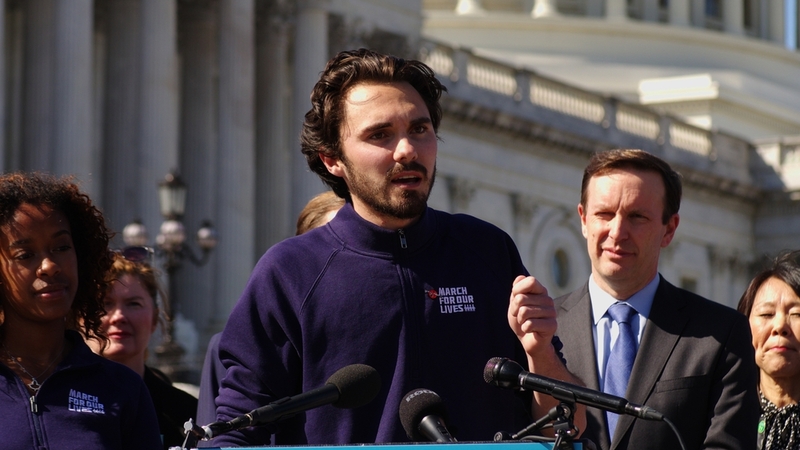
Currently, three distinct civil wars are being fought within the Democrats: the first pits pro-Palestinian progressives against pro-Israeli liberals, a conflict that significantly impacted electoral races in traditionally Democratic areas. The second war is scrutinizing the divide created by big city leadership and their constituents over illegal immigration policies, with many constituents feeling sidelined as services are allocated to migrants. The third war centers around the contentious topic of wokeness within the party, typified by the public dispute between David Hogg, the new vice chair of the Democratic National Committee, and veteran strategist James Carville.
Hogg's aggressive approach to primary incumbents in favor of younger, progressive candidates has been met with fierce resistance from Carville, who argues that such tactics threaten party unity and risk alienating more moderate Democrats. This dynamic reveals a fundamental split—while Hogg embodies a radical, woke faction, Carville represents traditional liberals who have been the bedrock of party leadership for decades.
As public clashes between these factions grow more intense, calls for Hogg’s ousting are being made as established party members claim that his plans jeopardize the DNC’s efforts to maintain coherence during a challenging political period. The ongoing civil wars within the Democrats, characterized by vocal factions each striving to assert their perspective, will indeed continue to escalate. Durbin may be one of the first prominent figures to depart, but it is likely that he will not be the last. As the party grapples with its identity and direction, it is clear that a reckoning is on the horizon, setting the stage for what looks increasingly like a fractious future for the Democrats.
Copyright, 2025. TurleyTalks.com
Our new Turley Talks app is our very own platform that can never, ever be canceled! This app is our way to declare our independence from all woke platforms that hate conservatives and have tried to cancel and demonetize Dr. Steve. You can download it completely free today by going to fight.turleytalks.com!