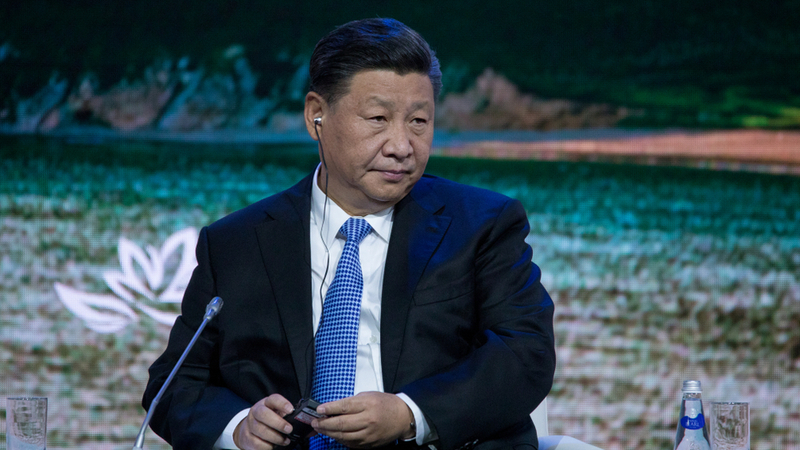
Xi Jinping's recent disappearance from public view has sparked rampant speculation regarding his political stability. Skipping the BRICS summit for the first time in twelve years, coupled with the sharp decline of Chinese exports amid President Trump's new tariffs, suggests that all may not be well in Beijing. Evidence indicates that Xi's authority is waning, and he faces discontent from within the Communist Party of China (CPC) itself, which may stem from his handling of the trade war with the United States. This situation could represent a significant shift in global dynamics, with implications for both China and the Trump administration's "America First" strategy.
- Xi Jinping has gone missing from public life for two weeks, raising concerns of internal unrest and political upheaval within China.
- The economic impact of Trump's tariffs is palpable, with a 35 percent drop in Chinese exports to the United States, emphasizing the efficacy of the “America First” approach
- Observations suggest a power struggle within the CPC as factional leaders gain prominence, indicating Xi's diminished control and potential removal from power.
Xi's absence from the BRICS conference looms large, as his scheduled seat remains unoccupied. The Chinese media, typically overflowing with coverage of their leader, has instead gone silent regarding Xi for the past two weeks, fueling speculation about his status and the political landscape in Beijing. Notably, his last public appearance was months ago. The American press has joined the curiosity, underscoring the void left by Xi’s mysterious no-show and spotlighting China’s global standings.
Expert analysis suggests that the inner workings of an authoritarian regime like China's are never transparent; instead, everything is meticulously choreographed. In the realm of Chinese politics, social optics often translate directly into power dynamics. Signs of dissent are manifesting, with certain military figures and party elites taking the stage in Xi's stead, indicating a shift in who holds the reins of the CPC.
Rumors have begun to swirl in Chinese communities worldwide, suggesting that Xi may have been deposed or is facing imminent removal. Speculation regarding his health follows reports of a possible stroke and conjectured recent surgical procedures leading to visible changes in his appearance and demeanor. This unsettling narrative is compounded by a wave of purges targeting Xi loyalists, further indicating that his grip on power is unravelling.
As the economic downturn for China deepens, exacerbated by Trump’s tariffs—evidenced by a staggering 35 percent drop in exports to the U.S.—the implications become clear. The tariff strategy, once dismissed by critics, has proven effective as U.S. manufacturing rebounds and opportunities for American exporters expand. An estimated one billion dollars in sales have evaporated, leaving China scrambling to counter the decline.
In light of Xi's evident vulnerabilities and the internal unrest within the CPC combined with the external economic pressure, the question looms: what will the geopolitical landscape look like should Xi fall from power? Will the new leadership adopt a more conciliatory approach towards the United States, or continue on a path of aggression under the influence of the Hu Jintao faction? These inquiries are vital, representing not just the future of Chinese politics but also the dynamics of global relations as America confronts a once-mighty dragon that now resembles more of a paper tiger.
The unfolding drama in Beijing provides a fascinating narrative of power, vulnerability, and potential resurgence for American interests globally, marking an unprecedented moment in the ongoing saga of U.S.-China relations.
© 2025 TurleyTalks.com. All rights reserved.
Gain the Clarity, Confidence, and Community you need to lead with courage and awaken a new conservative age. Join the movement to fight back and reclaim freedom at fight.turleytalks.com!