
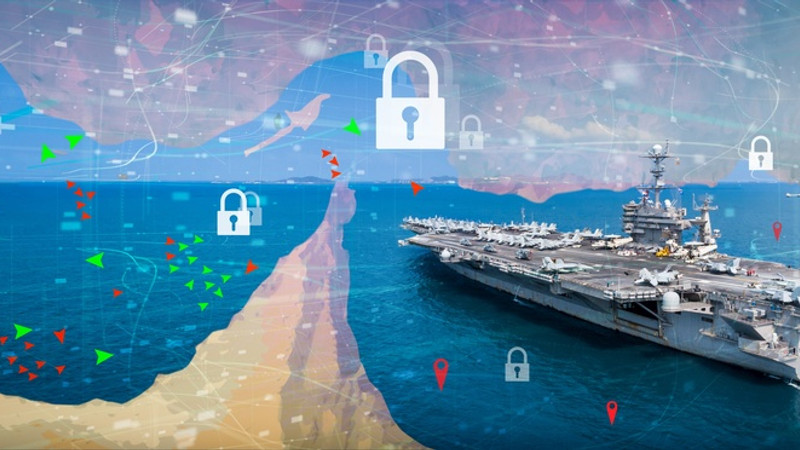
Imagine the scene: the Iranian cargo ship Toska, gallivanting through U.S. naval territory like it owns the place. Six hours of warnings later, the U.S. Navy decides they've had enough, and boom—Toska is a sitting duck. The humiliating capture not only signals a new era of American military assertiveness but also threatens Iran’s oil exports, which are vital for their crumbling economy. With inflation soaring and allies dwindling, the IRGC is left with a tough choice: surrender their ideological stance or face a financial apocalypse. Either way, it’s a lose-lose for them.
In a stunning turn of events, Iran has brazenly defied a U.S. naval blockade, setting the stage for a dramatic confrontation in the Gulf of Oman. The Iranian cargo ship, Toska, ignored repeated warnings from the U.S. Navy, leading to a forceful American response that sends a clear message to Tehran—and beyond.
- The Iranian vessel Toska defied the U.S. blockade, prompting a decisive military response from the American Navy.
- The U.S. action signals a robust enforcement of the blockade, impacting Iran's vital oil trade with China.
- The unfolding crisis highlights the strategic, economic, and ideological challenges facing Iran's regime.
On April 19th, the Iranian-flagged cargo vessel Toska was cruising through the north Arabian Sea at a brisk 17 knots, bound for the Iranian port of Bandar Abbas. This journey directly violated the U.S. naval blockade, enacted on April 13th after U.S.-Iran peace talks in Islamabad crumbled without a resolution. The USS Spruance, a formidable guided-missile destroyer, swiftly intercepted the Toska. For six arduous hours, U.S. forces issued warning after warning, which the Iranian crew arrogantly ignored. The consequence was swift: the Toska's engine room was hit, rendering it powerless and adrift.
American Marines from the 31st Marine Expeditionary Unit, in a show of precision and power, descended onto the now-helpless ship from helicopters, seizing it without further incident. The Toska remains in U.S. custody, marking the first deliberate enforcement action since the blockade's inception. This operation dispels the myth of U.S. naval impotency in the region, demonstrating a new level of engagement where any blockade runner risks losing their vessel to American control.
The implications for Iran's economy are stark. The nation exports 1.84 million barrels of oil per day, with nearly all shipments passing through the strategic Strait of Hormuz. A substantial portion of this oil is destined for China, Iran's largest customer. The blockade's enforcement threatens to sever this critical economic lifeline, potentially costing Iran up to $435 million daily in lost revenue. With inflation already soaring above 50 percent, the regime faces a grim financial future.
As this crisis unfolds, it's essential to stay informed about these critical developments. **If you want the latest updates and some behind-the-scenes goodies, head over to turley.pub/news and sign up for our newsletter. Big things are always coming!
President Trump's strategy appears to be a patient one, allowing the regime's internal contradictions to lead to its collapse. Whether Iran challenges U.S. forces or not, the regime's credibility and finances are crumbling. The IRGC's ideological stance against the "Great Satan" is untenable if they acquiesce to U.S. terms, while inaction only starves them of vital funds. Every path seems to lead to the same destination: the regime's fall.
As the two-week ceasefire nears its end, Iran's previous attempts at negotiation appear to have been mere stalling tactics. The IRGC, desperate to maintain its ideological standing, has obstructed any meaningful progress. Meanwhile, U.S. and Israeli forces have utilized the ceasefire to gather intelligence, putting Iran's leadership under constant surveillance. With every key figure now exposed, future strikes promise to be swift, precise, and devastating.
Internationally, Iran is losing allies. After IRGC gunboats attacked Indian vessels, India, a formerly friendly nation, expressed its outrage. France and Britain, once fence-sitters, have joined the U.S. effort to keep Hormuz open. This crisis also sends a subtle yet potent message to China. As President Trump prepares to meet Xi Jinping, the blockade serves as a reminder of the geopolitical stakes. China's reliance on Iranian oil imports is now a vulnerability that could influence their negotiations.
In the end, the IRGC's hardliners find themselves trapped. Surrendering to U.S. forces compromises their ideological legitimacy, while continued resistance invites further military and economic punishment. President Trump has effectively cornered Iran, cutting off its resources, isolating its allies, and surveilling its leadership. Regardless of the regime's next move, they face an inevitable reckoning.
© 2025 TurleyTalks.com. All rights reserved.
Gain the Clarity, Confidence, and Community you need to lead with courage and awaken a new conservative age. Join the movement to fight back and reclaim freedom at fight.turleytalks.com!
