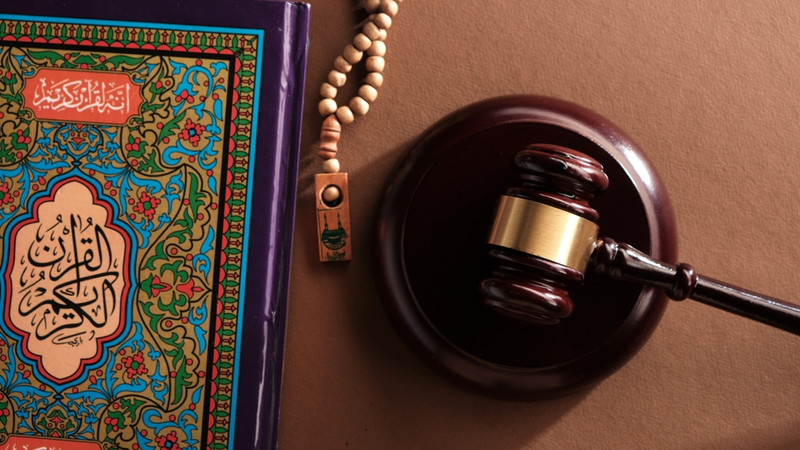
A storm is brewing across America as citizens push back against the rise of political Islam. In just one week, three explosive stories have unfolded across different states, illustrating a reality the mainstream media refuses to acknowledge. At the heart of this upheaval is a federal judge's faith, which has sparked controversy, a clandestine infrastructure project at a major Texas airport, and a burgeoning chorus of Americans — from all political backgrounds — ready to voice what they've long been afraid to say. This is not an isolated incident; it's an awakening. While we've seen this resistance against political Islam grow across Europe, it has now reached American shores, and the movement is just gaining momentum.
- A Mississippi judge's Islamic faith has ignited a public outcry questioning her allegiance to U.S. laws.
- Texans halted taxpayer-funded Islamic infrastructure projects, demanding equal treatment for all faiths.
- Citizens across states are organizing, recalling officials, and challenging institutional accommodations for Islam.
We're witnessing an unprecedented uprising across the Western world, as populations resist what they perceive as a massive influx of immigrants and the growing influence of Islam in their nations. Scholars call this movement "civilizational populism," the fastest-growing political movement across Europe. And now, it's sweeping the United States. Americans increasingly express concerns that political Islam clashes with Western values rooted in classical and Christian civilization.
In the small Mississippi Delta town of Benoit, population under 400, Assma Ali, an American-born immigration attorney, was appointed as the new municipal court judge. Despite her assurances of allegiance to the U.S. Constitution, many citizens remain skeptical of how her Islamic faith aligns with her legal obligations. Law professors argue that Article Six, Clause Three of the Constitution prohibits religious tests for public office, but the public debate is far from over. The West is awakening to the reality that some civilizational norms are incompatible with Western values.
Back in 2015, Mississippi lawmakers passed a bill — nearly unanimously — banning the use of foreign law, including Sharia, in state courts. This legislation wasn't fringe but a bipartisan recognition of an impending issue. Yet, state senators argue the law doesn't go far enough, proposing the "Don't Sharia Mississippi Act" for 2027 to fully ban Sharia law in the state. Meanwhile, Texas witnessed another controversy as Dallas-Fort Worth International Airport planned to install Islamic foot-washing stations, funded not by private donors as initially claimed, but by the airport's operating revenue. Texans questioned why other faiths don't receive similar accommodations and took swift action.
Before we delve deeper into these critical issues, it's vital to consider the broader implications on our society. You don’t have to sit idly by as challenges arise, especially when it comes to safeguarding your financial future during turbulent times. Get instant access to the report now: Prepare Your Retirement Now: Debt Will Hit $40T in 2026. This essential resource will provide you with the insights you need to take control of your financial destiny.
Governor Greg Abbott launched a review of all state grants to DFW and Houston's airports, leading to the project's cancellation. This move exemplifies how political and legal pressure can halt such initiatives. Texans refuse passive acceptance of institutional changes that favor one faith over another. In McKinney, Texas, citizens organized against a City Council decision to expand the McKinney Islamic Association. They filed a recall affidavit against Mayor Bill Cox and council members. U.S. Congressman Keith Self supported the recall, warning of political consequences if the vote passed.
These events unfold in the context of a broader civilizational conversation entering mainstream discourse. Critics warn of a "soft conquest" strategy, where cultural accommodation and institutional capture replace military force. In Michigan, the overwhelming Arab support for Abdul El-Sayed in the Senate race exemplifies this deliberate, methodical influence. The core question remains: can Islamic principles harmoniously integrate into a constitutional republic built on divergent values?
This isn't bigotry; it's the defining civilizational question of our century. Ignoring it only amplifies the backlash. As we've seen in Europe, a cross-partisan resistance is emerging in the U.S., opposing further institutional accommodations for Islam, whether in Mississippi courtrooms or Texas airport terminals. Ultimately, the day will come when taxpayers and voters have their say, and that day is already upon us.
© 2026 TurleyTalks.com. All rights reserved.
Gain the Clarity, Confidence, and Community you need to lead with courage and awaken a new conservative age. Join the movement to fight back and reclaim freedom at fight.turleytalks.com!