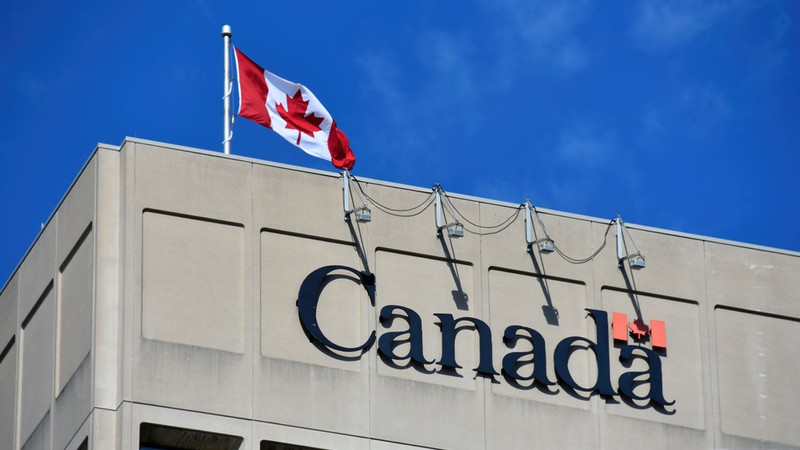
Canada is on the brink of a seismic political shift as two of its most influential provinces, Quebec and Alberta, are poised to redefine their relationship with Ottawa. This isn't your typical political drama; it's a move that might change the face of Canada forever. With Alberta's Premier Danielle Smith hinting at a separation vote in the coming months, and Quebec exploring a sovereign independence referendum, Canada's east and west are gearing up for a potential split. Prime Minister Mark Carney is in a race against time to keep his country intact Canada's political shift.
- Quebec and Alberta are actively considering independence referendums.
- Support for sovereignty is at an all-time high among Quebec's youth and Alberta's political base.
- Alberta and Quebec are collaborating on legal frameworks and strategies for separation.
In Quebec, the push for sovereignty is gaining momentum, with 56% of 18-34 year-olds supporting independence, the highest since the narrow 1995 referendum. Meanwhile, 65% of Alberta's United Conservative Party base is in favor of separation, and Premier Smith has made it significantly easier to trigger a referendum by reducing the signature requirement from 600,000 to just 177,000. This isn't just idle chatter; Quebec Premier François Legault has openly criticized Mark Carney, highlighting a growing alienation from Ottawa. Quebec nationalism is surging, inevitably leading to secessionist sentiments and potential independence referendums.
In the west, the situation is equally charged. Alberta has long felt economically shortchanged, contributing billions more to federal coffers than it receives while witnessing Ottawa's control over Quebec's immigration policies. Both provinces feel their resources and cultural identities are being overshadowed by federal policies favoring Toronto and Montreal elites. In a groundbreaking move, Alberta and Saskatchewan held their first-ever joint caucus meeting, signaling a formal intent to declare independence from Ottawa within the next 12 to 18 months. This movement isn't isolated to Alberta and Saskatchewan; parts of British Columbia and Manitoba are showing interest in what's known as "Wexit"—a Western exit from the confederation.
The Alberta Prosperity Project is at the forefront of the independence initiative. They have filed an application with Elections Alberta, marking the first official step toward an independence referendum. The APP claims to have already collected over 240,000 pledges supporting the cause. Meanwhile, Quebec's nationalist party, the Parti Québécois, is leading in polls and promising a new independence referendum by 2030, with young Quebecers actively campaigning on social media platforms like TikTok and Instagram. This isn't a nostalgic replay of the 1990s; it's a digital-native movement among the youngest voters, many of whom weren't born during the last referendum.
The most alarming development for Prime Minister Carney is the cooperation between the two independence movements. When Alberta's Danielle Smith announced her separation plans, Quebec's Paul St-Pierre Plamondon applauded, calling Alberta's plan "a blueprint for Quebec." They're not just sharing grievances; they're exchanging legal frameworks, constitutional strategies, and referendum timelines. While Carney enjoys a semblance of popularity in Quebec, the sovereignty movement isn't about him. It's a reaction to a federal system perceived as favoring Bay Street over Main Street.
For those who doubt the feasibility of such a split, remember that the 1995 Quebec referendum nearly broke up Canada, with the confederation surviving by a mere one percent of the vote. Today's numbers among Quebec youth surpass 1995 levels, and Alberta has never been this organized for separation. This isn't about separatism for its own sake; it's about provinces rich in resources and culture seeking autonomy from a federal system that appears to undermine their interests. Alberta's oil wealth faces federal roadblocks, while Quebec's unique culture is diluted by immigration policies beyond its control.
The Carney administration dismisses these movements as fringe politics, but with premiers drafting legislation and setting referendum dates, it's a reality that cannot be ignored. Whether you support these movements or not, they pose the most significant threat to Canadian unity since Confederation. Carney may be in his honeymoon phase, but he's inherited a nation where its most economically productive provinces are plotting their exit strategies. The pressing question isn't who will leave, but rather who will go first and whether Canada can survive the potential divorce.
© 2025 TurleyTalks.com. All rights reserved.
Gain the Clarity, Confidence, and Community you need to lead with courage and awaken a new conservative age. Join the movement to fight back and reclaim freedom at fight.turleytalks.com!